• GROW → RETAIN → PROTECT •


• GROW → RETAIN → PROTECT •
Certified Trichologist • Master Stylist • Educator
Root-Cause Hair + Scalp Health | Epigenetics
━ FIBRE Care
HAIR FIBRE HEALTH
Understand Your Hair. Protect What You Have.
Your hair tells a story. Breakage, dryness, frizz, dullness and changes in texture are often signs that something deserves a closer look.
Understanding your hair fibre is the first step toward choosing the right care, preventing unnecessary damage, and improving how your hair looks, feels and behaves.
━ Hair Fibre
What Is the Hair Fibre?
The part of your hair you can see, touch, style and care for.
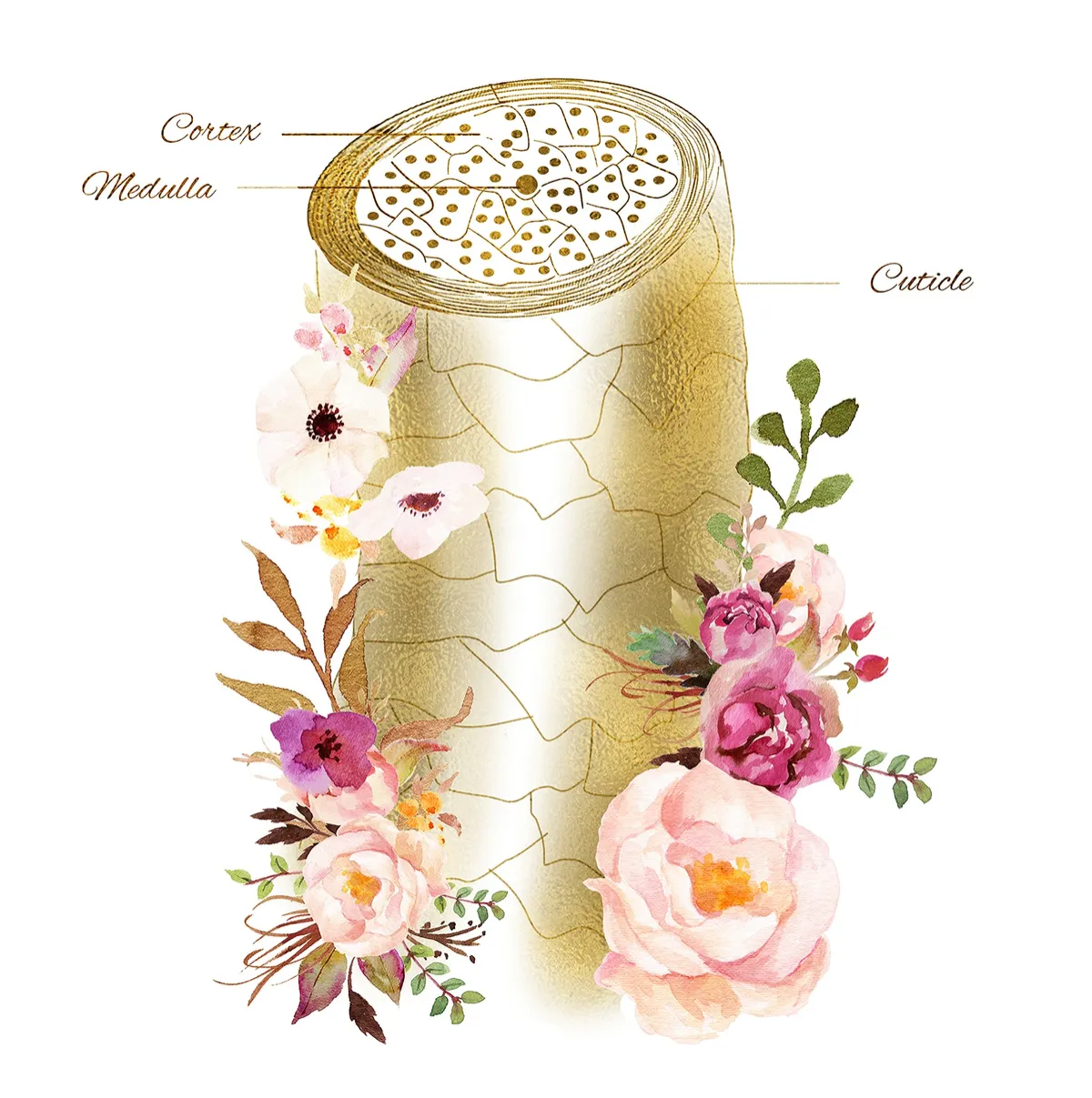
A short, approachable introduction to the hair shaft and its three main structural components: cuticle, cortex and medulla.
Explain why the structure matters for strength, elasticity, appearance and how hair responds to everyday care.
What Is Your Hair Trying to Tell You?
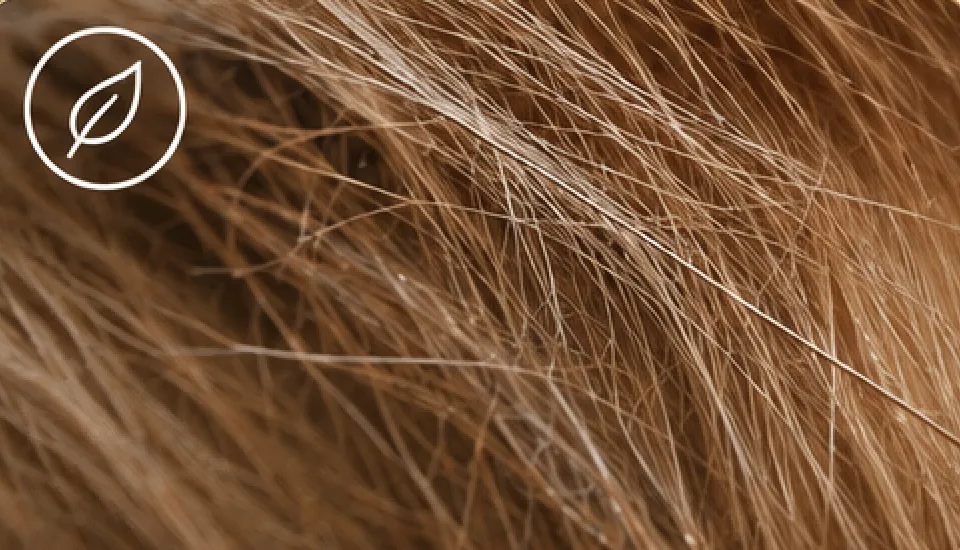
Hair that feels weak, delicate, or easily damaged. Learn what influences fibre strength and resilience.
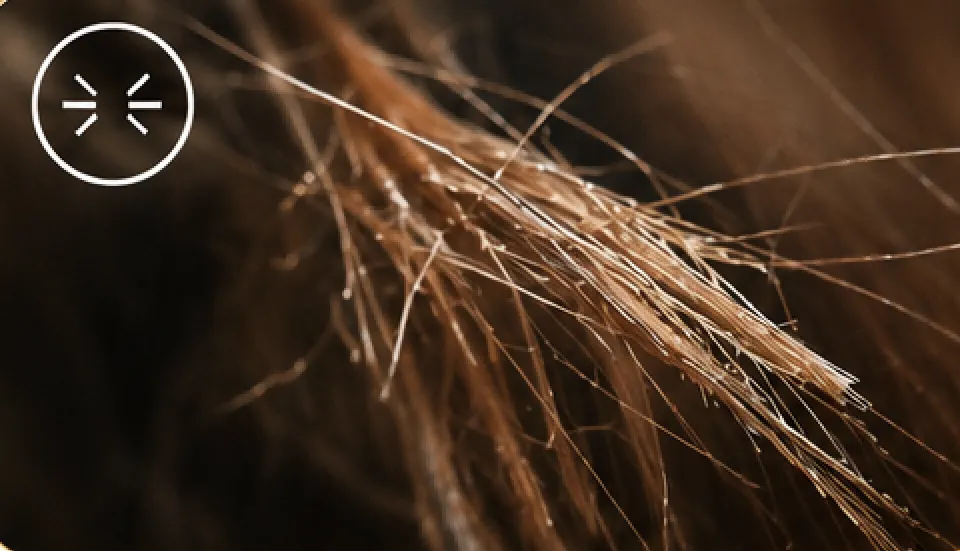
Noticing shorter strands and uneven lengths? Discover why hair breaks and how to reduce further damage.
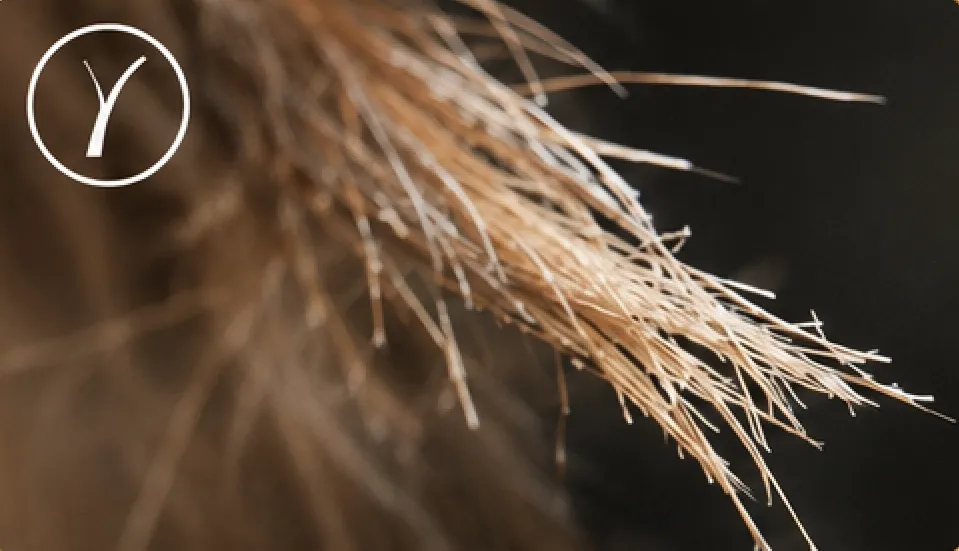
When the ends of your hair begin to fray or separate, understanding the damage helps prevent it from progressing.
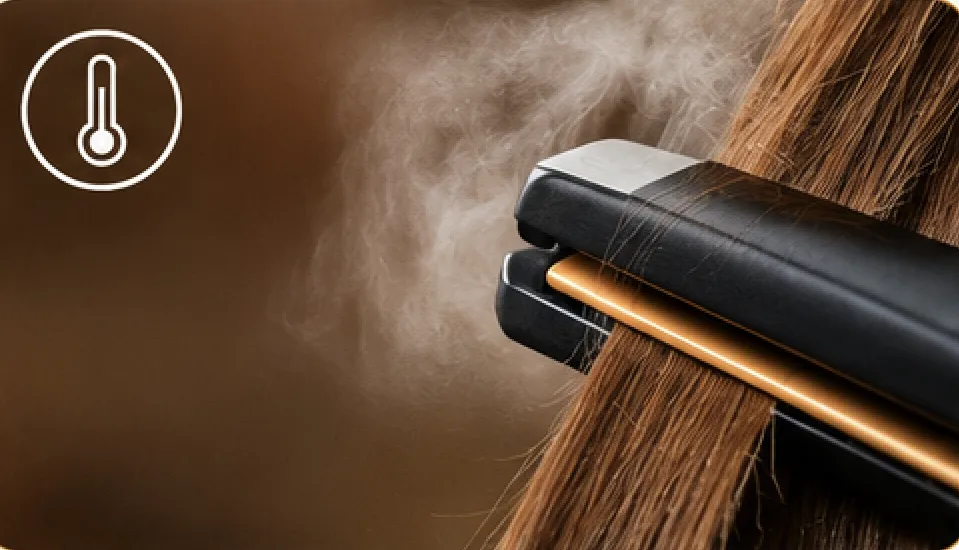
Heat styling can affect the structure and performance of your hair. Learn how to minimize damage without giving up styling.
Colour, lightening and chemical treatments can change the fibre. Understand the risks, limitations and corrective options.
When hair loses its natural lustre, surface condition, buildup and other factors may be contributing.
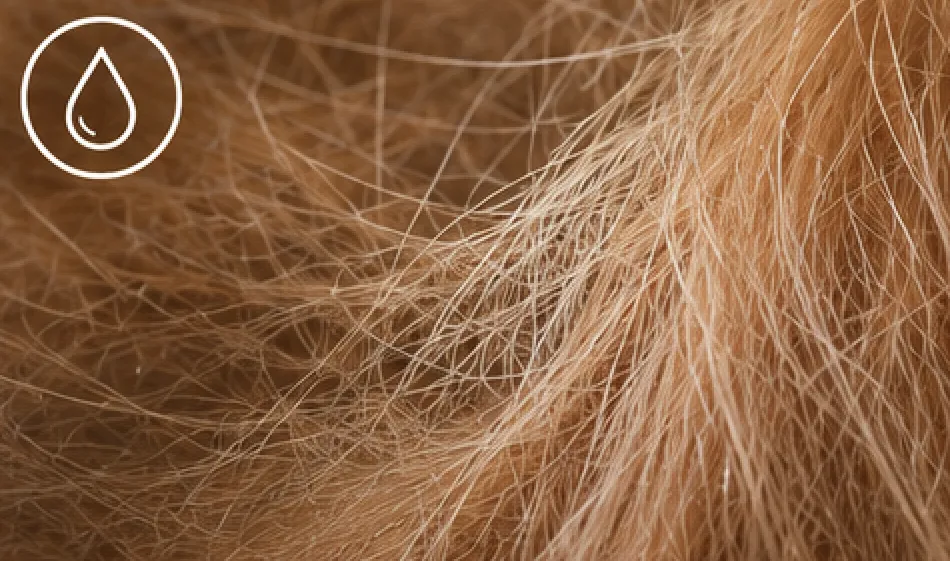
Dry-feeling hair isn't always as simple as needing more moisture. Learn how to identify its needs and choose suitable care.
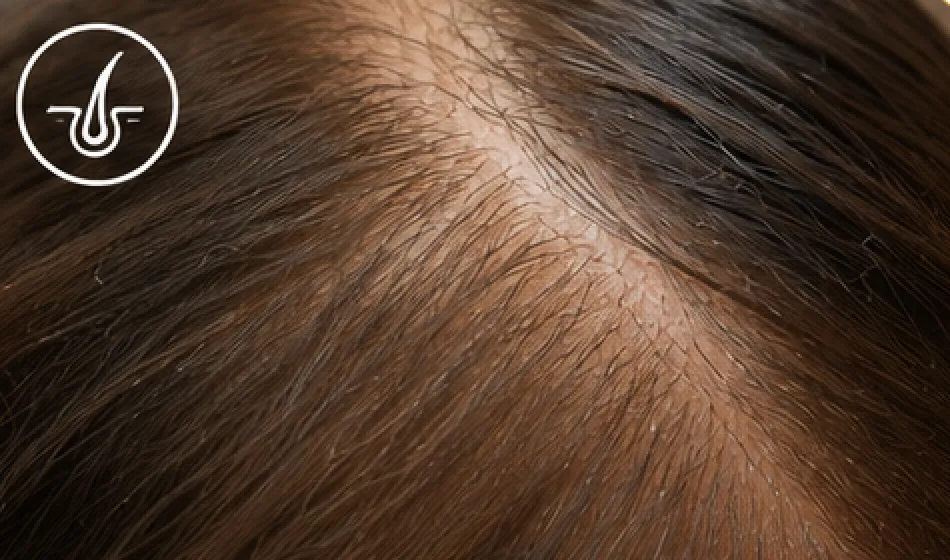
Hair feeling less full? Learn the difference between breakage, reduced fibre diameter and changes in the number of hairs growing.
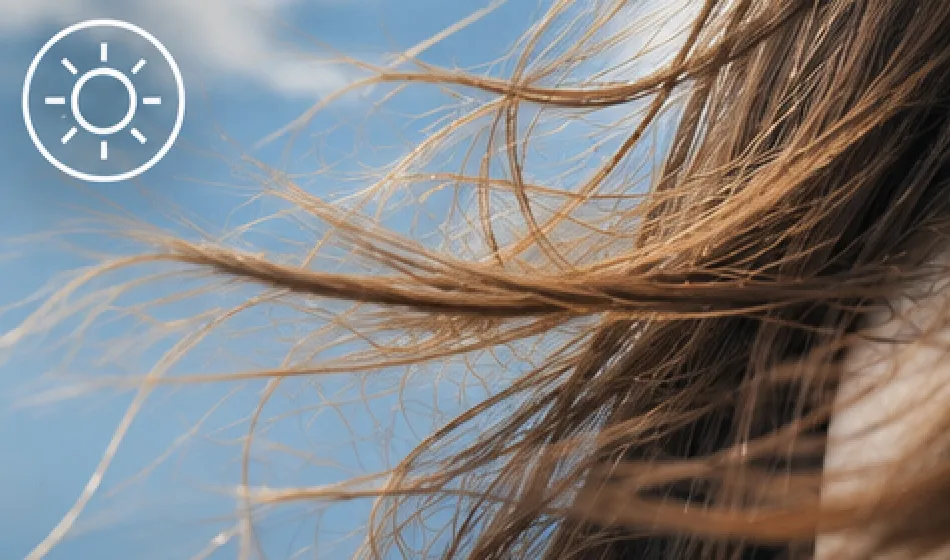
Environmental & Climate Damage - Sun, wind, humidity, dry air, pollution and water quality can all influence your hair’s condition, appearance and behaviour.
━ WHY
Why Does Hair Become Damaged?
Understanding the influences behind changes in hair condition.
Heat & Styling
Temperature, exposure and styling practices
Chemical Processing
Lightening, colour and texture-altering treatments
Mechanical Stress
Brushing, friction, tension and handling
Cleansing & Conditioning
Product selection, washing habits and buildup
Environmental Exposure
Sun, humidity, wind, water and pollution
Individual Hair Characteristics
Diameter, shape, porosity and existing condition
━ healthy-looking hair
Can Damaged Hair Actually Be Repaired?
Repair, restore or simply improve the appearance? Let's understand the difference.
Not all hair damage is created equal, and not all treatments do what they promise.
Conditioners, bond-building treatments and strengthening products can improve how damaged hair looks, feels and performs. But here's what many people don't realize: once hair is structurally damaged, it cannot fully regenerate or return to its original, undamaged state.
Understanding what can be improved, what cannot be reversed, and how to prevent further damage is the key to making smarter hair care decisions.
Because healthy-looking hair and structurally healthy hair aren't always the same thing.
━ Different Hair. Different Needs.
Understand Your Hair Before Choosing Products
The right hair care starts with understanding what you're working with.
Not every hair concern needs another product. Sometimes, it needs a closer look.
Your hair's thickness, texture, porosity, condition, chemical history and daily habits all influence how it responds to products and treatments.
Understanding these characteristics can help you make better choices, avoid unnecessary treatments and build a routine that actually makes sense for your hair.
Because what works for someone else's hair may not be what yours needs.
Hair Elasticity vs. Strength: What's the Difference?
Elasticity is your hair's ability to stretch and return toward its original length, while strength refers to its ability to withstand tension without breaking. Both influence how your hair responds to brushing, styling and chemical treatments. Understanding the difference can help identify signs of weakened or compromised hair.
Can You Repair Split Ends?
Despite what some products promise, split ends cannot be permanently repaired. Once the hair fibre splits, trimming is the most reliable way to remove the damage. Certain products can temporarily smooth and seal the appearance of split ends, but prevention through proper conditioning, gentle handling and regular maintenance is key.
Heat Damage: What Happens to Your Hair?
Excessive heat can damage the hair's protective cuticle, alter proteins within the cortex and weaken the fibre over time. This can lead to dryness, brittleness, breakage and changes in texture. Understanding how temperature, styling techniques and heat protection work together can help you style your hair while minimizing unnecessary damage.
- How to Build a Hair Care Routine That Makes Sense
A good hair care routine isn't about how many products you use. It's about understanding what your hair actually needs. Your fibre characteristics, scalp condition, styling habits, chemical history and environment all play a role. Start with appropriate cleansing and conditioning, then introduce targeted treatments and protection based on your hair's condition and goals.
Hair Porosity: What It Means and How to Assess It
Hair porosity describes how readily your hair absorbs and releases water, influenced partly by the condition of its cuticle. Chemical processing, heat and everyday wear can change how your hair behaves. Rather than relying on popular float tests, consider your hair's history, drying behaviour, tangling and overall condition. A professional fibre assessment can provide a more informed understanding of its needs.
━ Meet Your Hair Coach
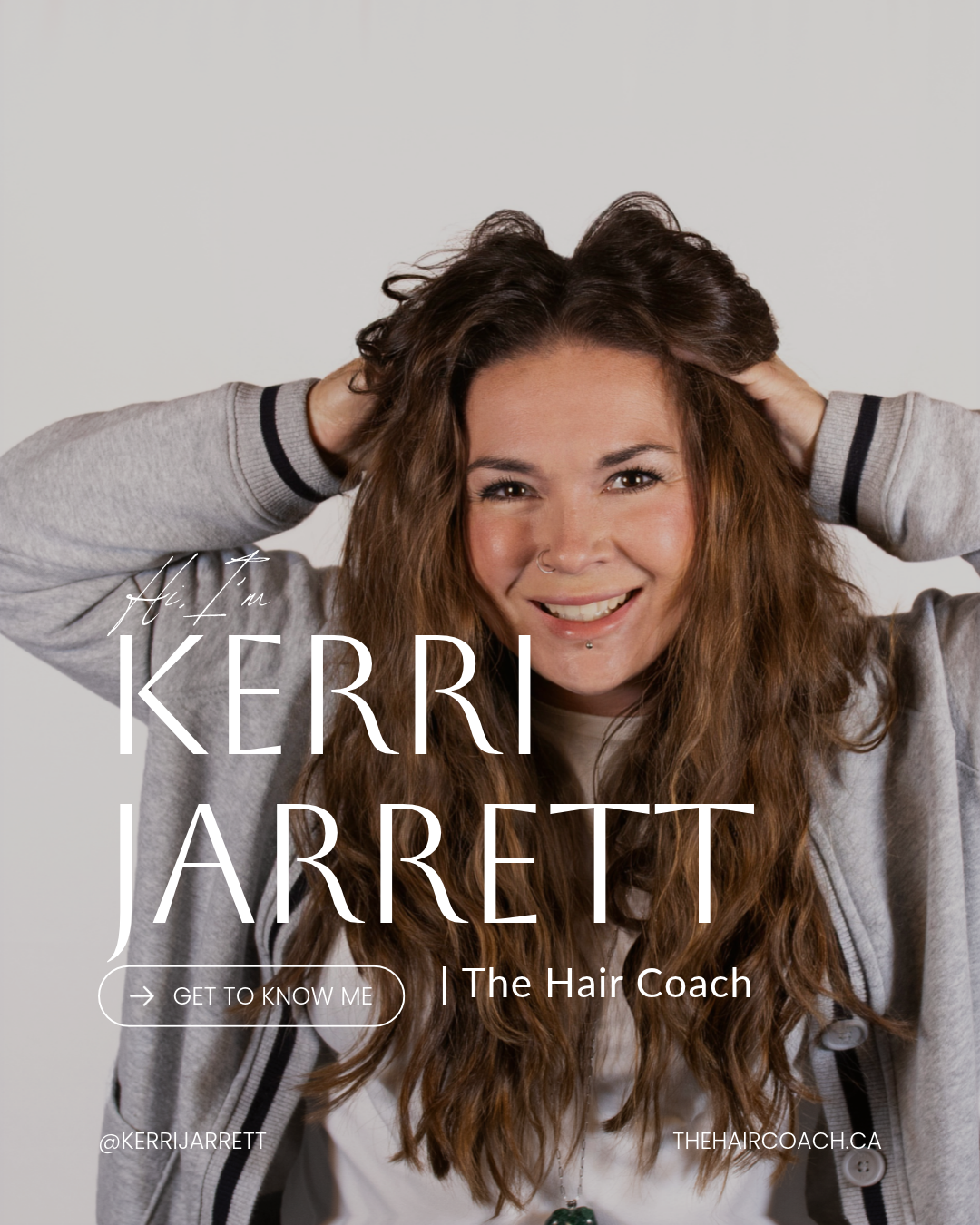
Hi, I'm Kerri Jarrett.
Certified Trichologist | Red Seal Hairstylist | Educator
I combine years of hands-on hairstyling experience with trichology and evidence-informed education to help you understand your hair beyond the surface.
From breakage and dryness to changes in texture and strength, my approach starts with understanding what's happening before deciding what to do about it.
Because better hair care starts with understanding your hair.
Ready to learn more? Explore the resources or book a complimentary 15-minute discovery call.
DISCLAIMER
Transparency matters here. Some products, services, or resources shared on this website may include affiliate links, which means I may earn a commission if you make a purchase through them, at no additional cost to you. Recommendations and opinions remain my own. Please see our Affiliate Disclosure and General Disclaimer for more information.
RESOURCES
COMPANY
FOLLOW @kerrijarrett


© 2026 Kerri Jarrett. All Rights Reserved.