What Materials Can Flat Irons Be Made Up Of? | Kerri Jarrett, Trichology and Epigeentics
Ceramic, Titanium or Tourmaline? Understanding Flat Iron Plate Materials
Ever wondered why one flat iron costs $30 and another costs $300? And whether the more expensive one is actually better for your hair?
If you've ever shopped for a flat iron, you've probably noticed the number of different materials and technologies advertised.
Ceramic. Titanium. Tourmaline. Ionic. Nano-silver. Nano-titanium.
Sounds impressive, doesn't it?
But what do those terms actually mean? And more importantly, do they make a difference to your hair?
As a hairstylist, I've worked with plenty of flat irons over the years. And as a trichologist, I'm particularly interested in how those tools interact with the hair fibre.
Because when it comes to heat styling, I think understanding what you're putting against your hair is far more valuable than simply buying into the latest technology.
Let's break it down.
First, Why Does the Plate Material Matter?
Flat irons work by applying heat and pressure to temporarily change the shape of the hair fibre.
Heat influences the hydrogen bonds and other physical interactions that help maintain the hair's shape. As the hair cools, it can hold its newly styled form until moisture, washing, or other environmental factors alter it again.
But heat also affects the condition of the hair fibre.
Excessive temperatures, repeated passes, and prolonged contact can contribute to cuticle wear and changes to the internal protein structure.
That's why the material and construction of the plates matter.
Different materials have different thermal properties, including how quickly they conduct heat and how they distribute it across the plate surface.
However, the material alone doesn't tell you whether a flat iron is good quality or appropriate for your hair.
The heating system, temperature control, plate alignment, and surface finish are equally important.
1. Ceramic Flat Irons
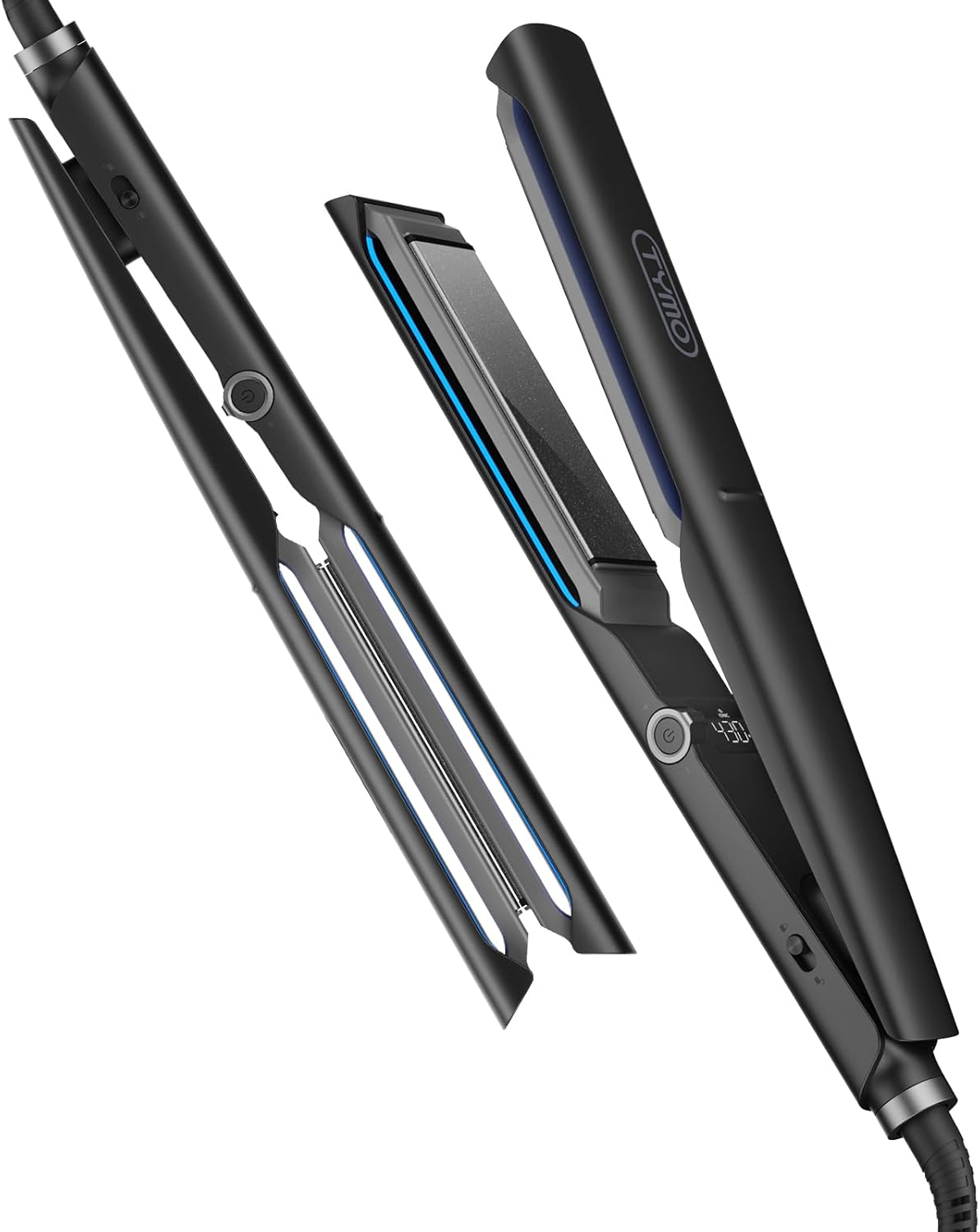
Ceramic is one of the most familiar materials used in flat irons.
It's popular because certain ceramic materials can provide a smooth plate surface and relatively even heat distribution when incorporated into a well-designed tool.
But here's something many people don't realize.
A ceramic flat iron isn't necessarily made entirely of ceramic.
Some tools use solid ceramic components, while others use ceramic coatings over a metal base.
And those aren't necessarily the same thing.
The underlying material, coating quality, and manufacturing process can influence the tool's performance and durability.
What I Like About Ceramic
A good-quality ceramic flat iron can be a practical option for many hair types, particularly when it offers reliable, adjustable temperature control.
The smooth surface may also help reduce unnecessary snagging as the plates move along the hair.
However, ceramic doesn't automatically mean damage-free styling.
And a poorly manufactured ceramic-coated iron may perform worse than a well-designed tool made from another material.
My stylist tip: Look beyond the word ceramic on the packaging. Pay attention to temperature control, plate quality, and how smoothly the tool moves through the hair.

2. Titanium Flat Irons
Titanium is a metal known for its strength, relatively low weight, and useful thermal properties.
It's commonly used in professional styling tools, including flat irons.
Titanium plates can transfer heat efficiently, although the performance of the complete tool depends on its design and heating system.
This can be helpful for certain styling applications, but it also means temperature control is particularly important.
A titanium flat iron is not automatically too hot for fine hair, just as a ceramic iron isn't automatically gentle.
What matters is the temperature you're using, how accurately the tool maintains it, and the condition of the hair being styled.
Who Might Consider Titanium?
Titanium tools may appeal to professional stylists or people who want efficient heat transfer and responsive styling performance.
But I wouldn't recommend choosing titanium simply because someone says it's best for thick or coarse hair.
Hair density, fibre diameter, curl pattern, porosity, and previous chemical processing all influence how hair responds to heat.
Two people with thick hair may have very different heat-styling needs.
3.Tourmaline Flat Irons
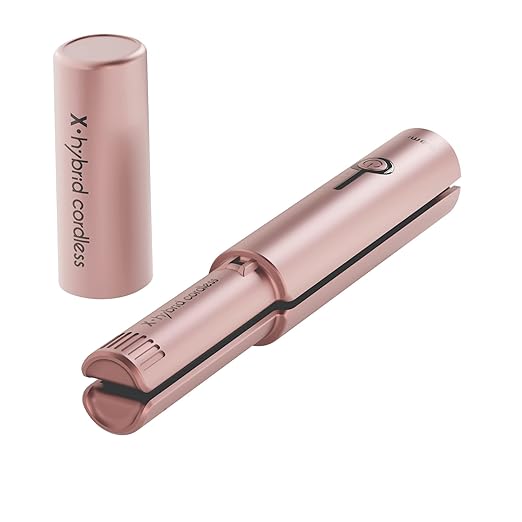
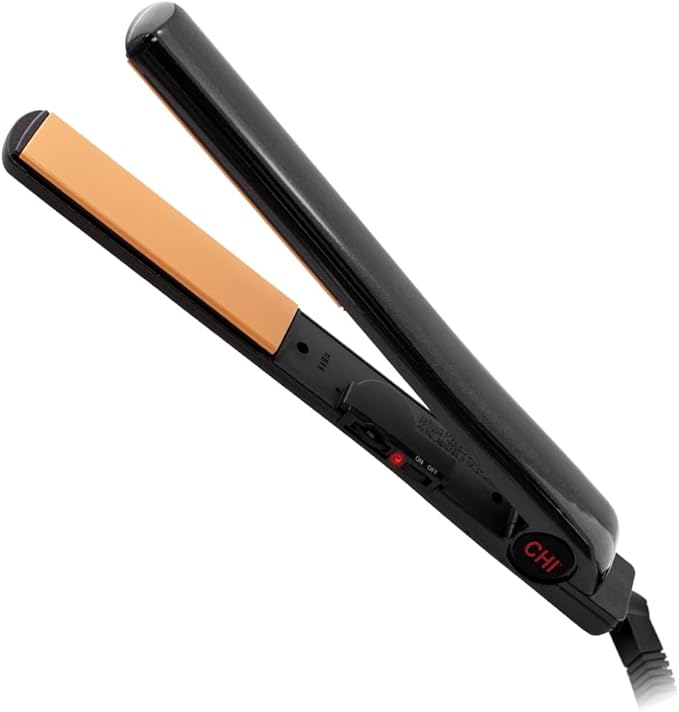
Tourmaline is a naturally occurring mineral that has been used in styling-tool coatings and composite materials.
You'll often see it marketed alongside ceramic, with labels such as ceramic tourmaline or tourmaline-infused plates.
Manufacturers frequently associate tourmaline with ionic technology, smoother styling, and reduced frizz.
But here's where I want to separate the material from the marketing.
Tourmaline isn't a guarantee of less heat damage.
Some tools may incorporate tourmaline-containing materials to modify surface or electrical properties, but broad claims that tourmaline automatically protects the cuticle or locks moisture inside the hair aren't well established.
The quality of the tool and the way it's used remain far more important.
What About Negative Ions?
Negative ions are frequently mentioned in advertising for tourmaline and ceramic styling tools.
Certain technologies may influence static electricity under particular conditions.
But claims that negative ions repair the hair, seal in moisture, or make high temperatures harmless go beyond what the evidence supports.
If an ionic flat iron gives you a smoother-looking finish, that's great.
Just don't confuse a cosmetic improvement with biological repair or protection from thermal damage.
4. Aluminum Flat Irons
Aluminum is an excellent conductor of heat, which is one reason it's used in many heating systems.
Some flat irons incorporate aluminum as a base material beneath a coating.
Older or inexpensive tools may also have exposed metal surfaces, although construction varies considerably between products.
The important thing to understand is that aluminum itself isn't automatically a sign of poor quality.
What matters is how the plate has been engineered.
A poorly finished plate may snag hair, while uneven heating or inaccurate temperature regulation can increase the risk of excessive heat exposure.
And that can happen with more than one material.
So rather than assuming every aluminum-based flat iron is bad, I'd focus on the overall construction and performance of the tool.
5. What Does Nano Technology Actually Mean?
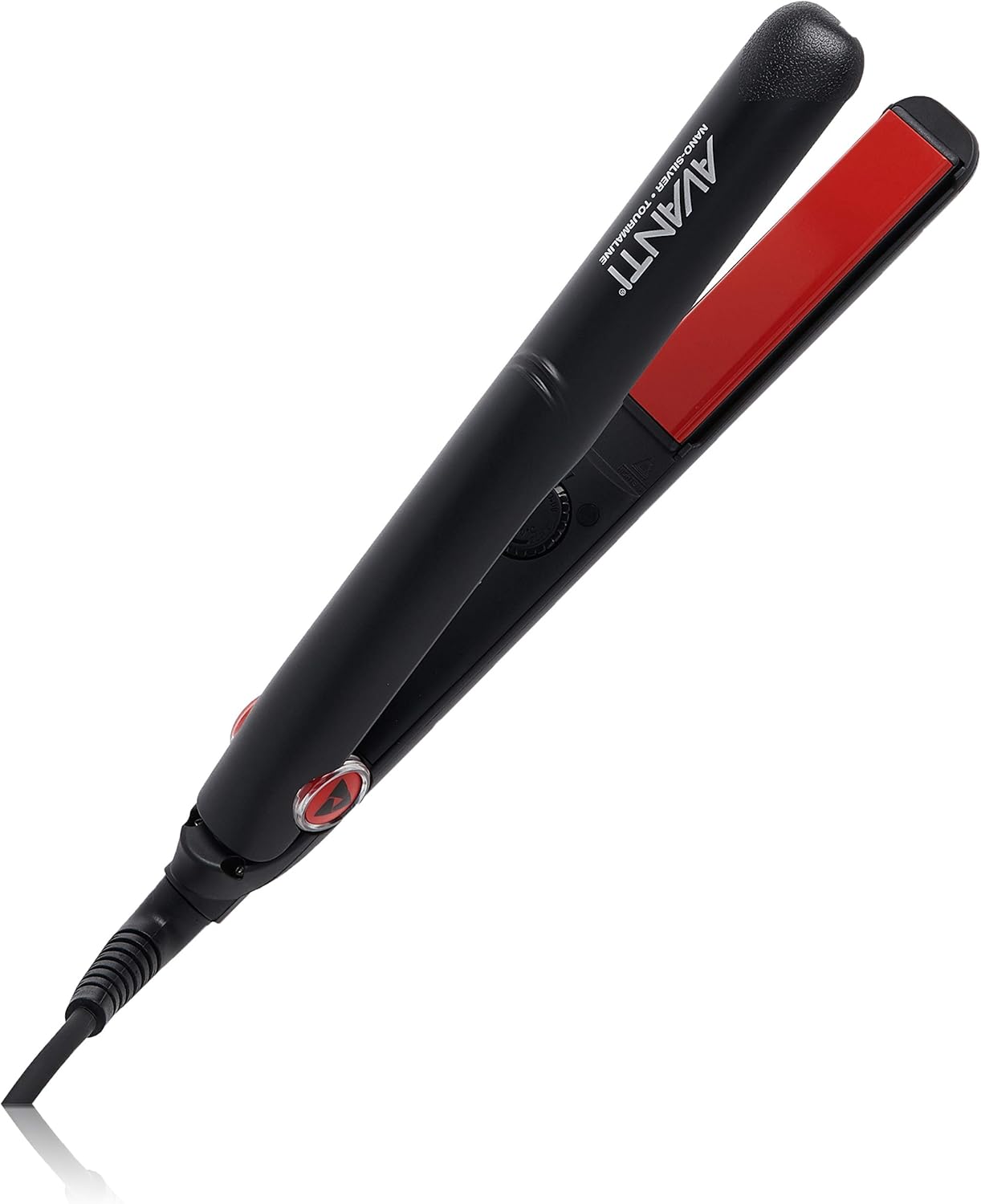
Now we're getting into some of the terminology that sounds particularly impressive on product packaging.
Nano-titanium.
Nano-ceramic.
Nano-tourmaline.
Nano-silver.
But what does nano actually mean?
In science, nanotechnology generally refers to working with materials or structures at extremely small scales, typically around 1 to 100 nanometres in at least one dimension.
However, the word nano on a flat iron doesn't necessarily tell you how the plates were manufactured or whether they contain engineered nanoparticles.
Sometimes it's a product-line name or a marketing term.
That's why I wouldn't assume that a tool labelled nano is automatically more advanced or better for your hair.
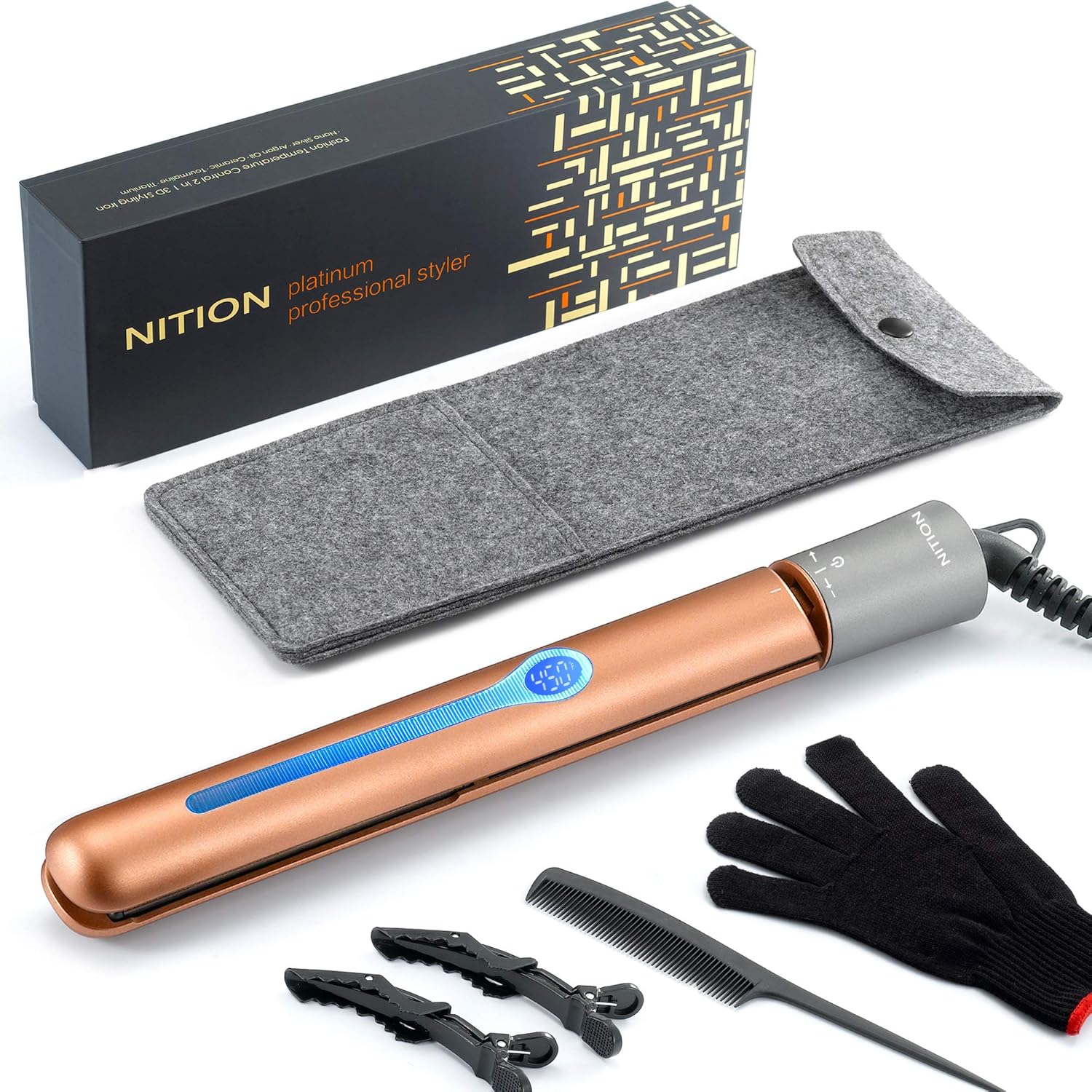
Nano-Tourmaline
IThis term is commonly associated with titanium-based plate technologies.
Some manufacturers claim faster styling or improved heat distribution, but those benefits depend on the specific tool.
A claim such as "40% faster" needs supporting product-specific testing before it can be treated as fact.
And faster styling doesn't automatically mean less damage if the tool is being used at excessive temperatures.
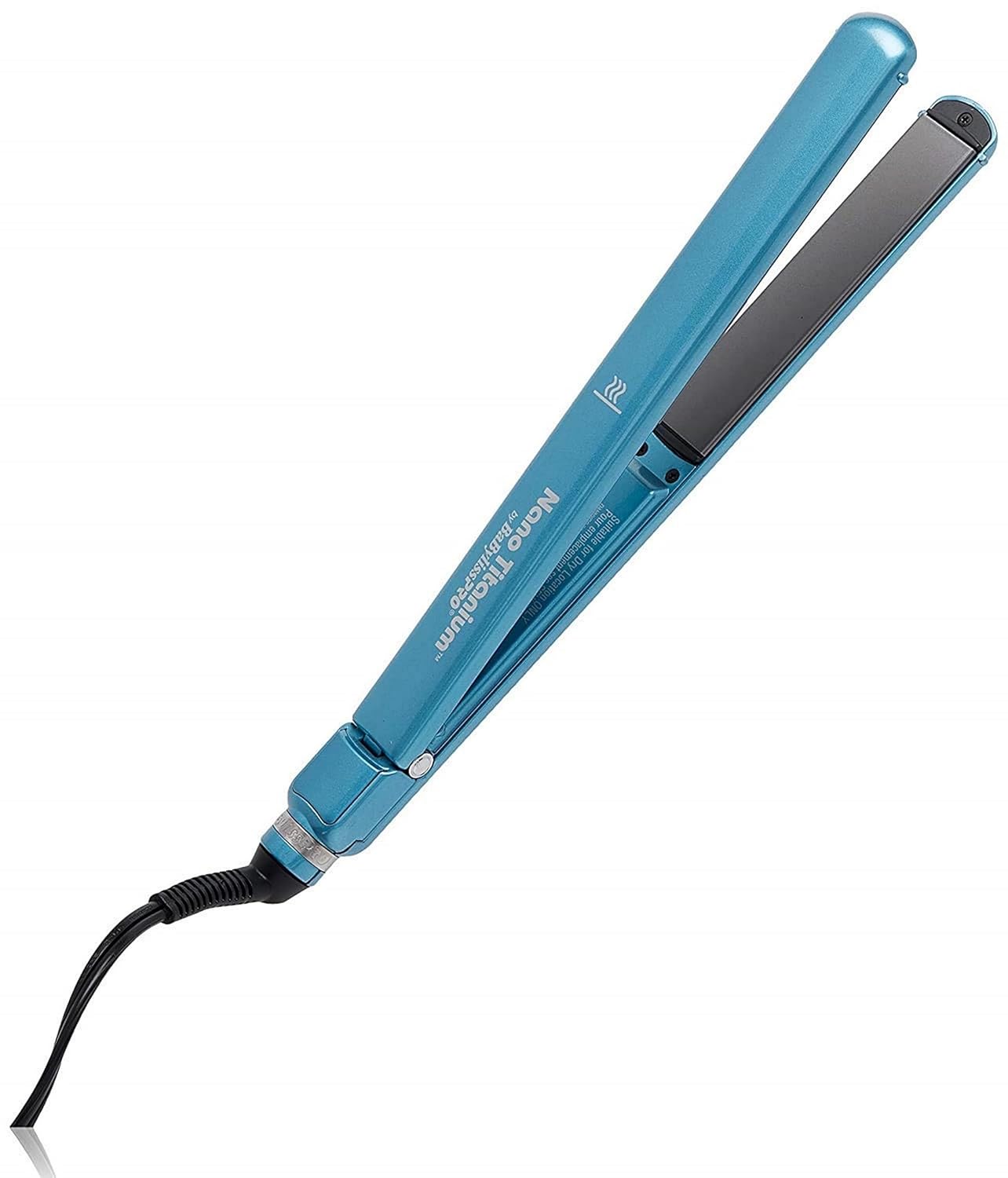

Nano-Ceramic and Nano-Tourmaline
These terms may refer to ceramic or tourmaline-containing coatings or technologies.
But without knowing the actual plate composition and testing, it's difficult to determine what advantage the nano label provides.
I'd pay more attention to the tool's measurable performance than the terminology on the box.

Nano-Silver
Silver has antimicrobial properties in certain forms and applications.
However, that doesn't mean a flat iron marketed with nano-silver technology automatically disinfects itself or eliminates bacteria during normal use.
Those claims would require evidence for the specific product and operating conditions.
And regardless of the plate material, professional tools still require appropriate cleaning and infection-control practices.
6. So Which Flat Iron Material Is Best?
Here's the answer that probably won't make the marketing departments very happy.
There isn't one plate material that's best for everyone.
A well-made ceramic flat iron may perform beautifully.
A high-quality titanium tool may also be an excellent choice.
And a tourmaline-containing tool may offer a finish you particularly like.
But I wouldn't choose a flat iron based on plate material alone.
I'd look at the whole tool.
What to consider | Why it matters |
|---|---|
Adjustable temperature | Allows you to select a setting appropriate for your hair |
Temperature accuracy | Helps avoid unintended excessive heat |
Plate alignment | Reduces uneven pressure and potential snagging |
Smooth plate finish | Helps minimize friction during styling |
Appropriate plate width | Makes styling easier for your length and haircut |
Tool quality | Influences durability and consistent performance |
And remember, the condition of your hair is just as important as the tool itself.
Hair that's heavily lightened, fragile, or already experiencing breakage may tolerate heat differently from hair with relatively little previous damage.
7. My Biggest Advice: Stop Thinking More Heat Means Better Results
One of the biggest misconceptions in heat styling is that higher temperatures automatically produce better results.
They don't.
Sometimes a higher temperature produces a faster change in shape, but that doesn't make it the best choice for the hair fibre.
Repeated high-temperature exposure can increase the risk of damage.
And once the hair fibre is significantly damaged, it cannot biologically repair itself.
That's why I recommend using the lowest effective temperature, minimizing repeated passes, and using an appropriate heat protectant.
Make sure your hair is fully dry before using a conventional flat iron, and avoid applying excessive pressure.
Most importantly, understand what your hair can tolerate.
The Hair Coach Perspective: The Best Tool Is the One You Know How to Use
I've always believed that professional tools should make our work easier, not replace good technique.
You can have the most expensive flat iron on the market and still damage your hair if you're using it incorrectly.
And you can have a reasonably priced, well-made tool that performs beautifully when paired with the right temperature, products, and technique.
As a stylist, I care about the finished result.
As a trichologist, I also care about what happens to the hair fibre along the way.
Because smooth and shiny hair isn't necessarily healthy hair.
Sometimes a damaged cuticle can be temporarily smoothed by heat and conditioning products, creating a beautiful finish while underlying structural damage remains.
So before choosing your next flat iron, ask yourself a few questions.
What is my hair type and condition? How often am I heat styling? Do I need a tool with precise temperature control? And am I using the right technique?
Those answers are often more useful than whether the packaging says ceramic, titanium, tourmaline, or nano-something-or-other.
Understand the tool. Respect the fibre. Protect the hair you have.
Understand the follicle. Protect the fibre. Support the person.
Kerri Jarrett
Certified Trichologist | Red Seal Hairstylist
The Hair Coach
Keep Learning About Heat Styling


Let’s Talk Hair.
Hair loss. Scalp health. Hair growth. Hair fibre. Hair care. Get evidence-informed education, practical insights and new resources delivered to your inbox—designed to help you better understand what your hair and scalp may be telling you and make more informed decisions about what comes next. Because better questions lead to better answers.


